Thinking about moving to Katy but not sure how schools, commute, and day-to-day life fit your plans? You are not alone. Greater Katy covers several counties and neighborhoods, which makes it both flexible and a bit complex to compare. In this guide, you will get a clear look at school options, driving patterns, amenities, taxes, and practical tips to choose the right spot for you. Let’s dive in.
Greater Katy at a glance
When people say “Katy,” they often mean the Greater Katy area, not only the small municipal City of Katy. The broader area spreads into unincorporated parts of Harris, Fort Bend, and Waller counties. That means services, school districts, and tax rates can differ from one neighborhood to the next.
If you want to confirm whether a home is inside city limits, check the City’s website for permits and services. You can start with the City of Katy’s official site to understand what falls under city governance. For properties outside city limits, many services are managed by the county or by local utility districts.
- Explore the City’s official resources: City of Katy
Neighborhood types and housing
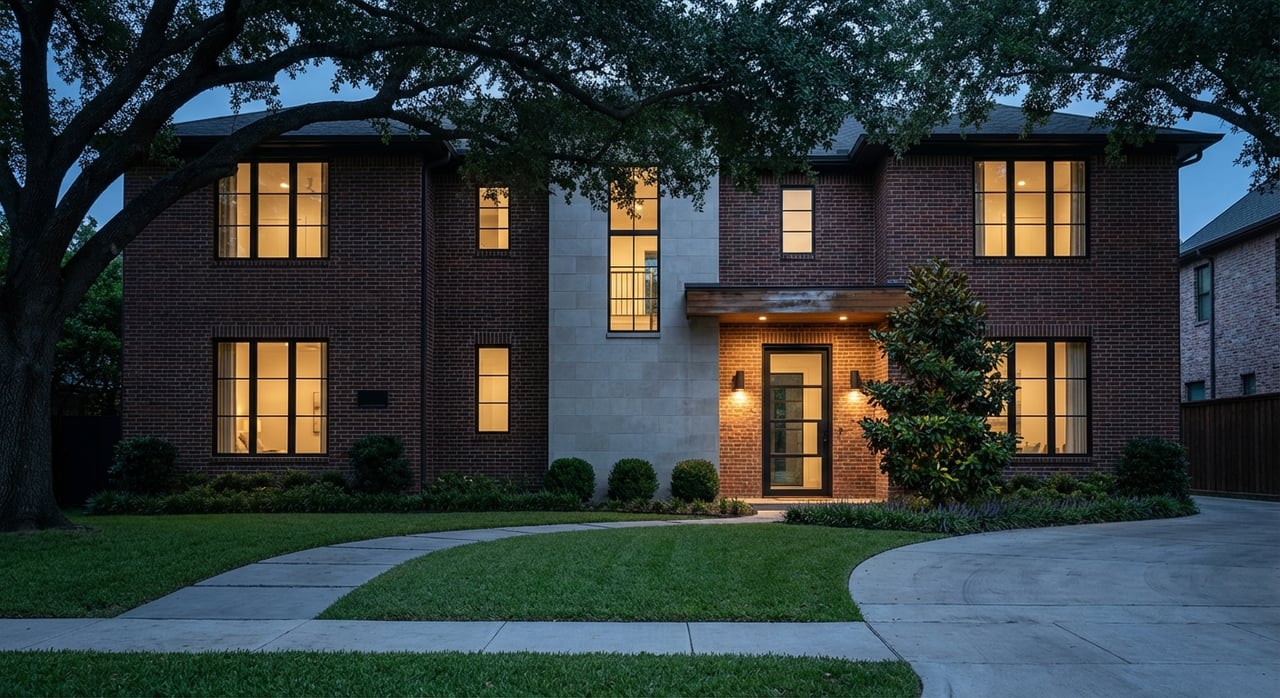
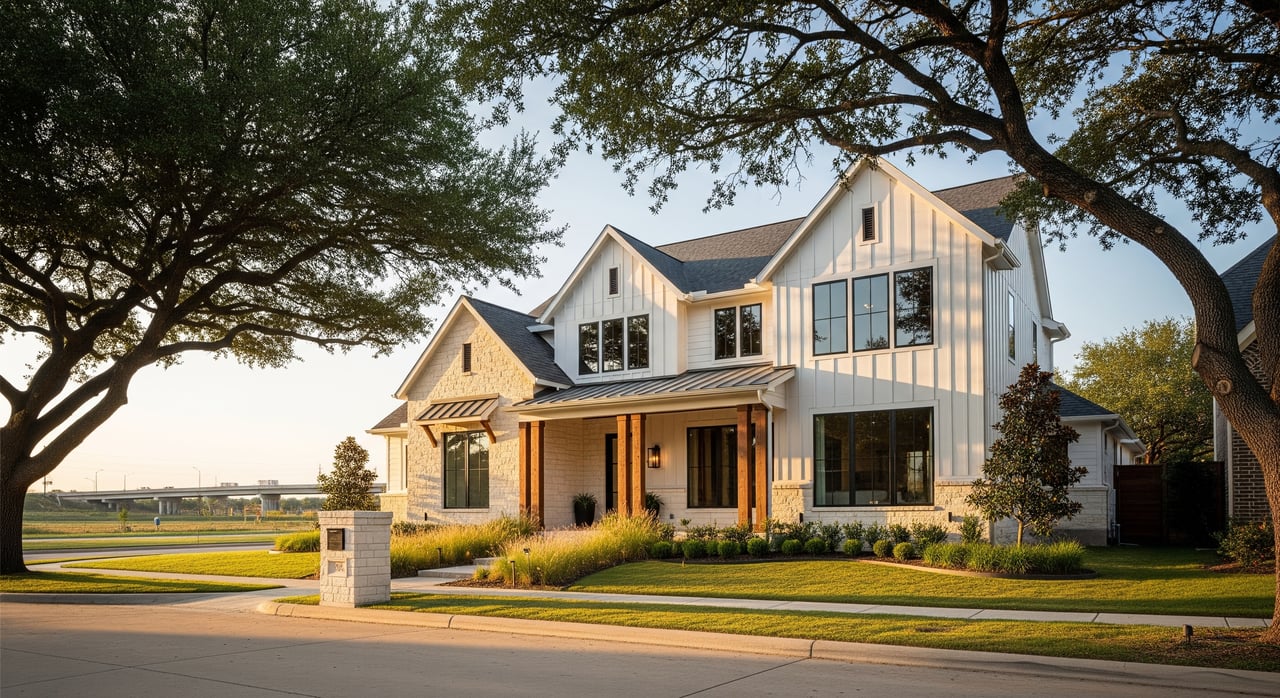
You will find a mix of master-planned communities, established subdivisions, and newer construction. Well-known master plans include Cinco Ranch, Seven Meadows, Cross Creek Ranch, Firethorne, and Falcon Landing. These often offer pools, parks, trails, and community events.
Closer to central Katy and along US 90, you will see more established neighborhoods with varied home ages and styles. Townhomes and apartments cluster near major corridors and retail hubs. New-construction single-family homes continue to expand in and around Greater Katy.
Schools and boundary basics
Most families in Greater Katy are served by Katy Independent School District, with some neighborhoods in Waller Independent School District. School assignments depend on your specific address, not on a general Katy label. Boundaries, programs, and feeder patterns can change as new schools open or adjust.
To verify a campus assignment, use each district’s boundary tools and contact the district directly. For performance and accountability data, look to state reporting and recent ratings, which are updated over time. Campus-level research is best when you narrow your shortlist.
- Check attendance boundaries and programs: Katy ISD
- For neighborhoods in Waller County, confirm zones through Waller ISD
- Review accountability data and reports: Texas Education Agency
Commute and transportation
Katy is road oriented. The main east–west route is Interstate 10, which connects you to the Energy Corridor and toward central Houston. State Highway 99, the Grand Parkway, gives you north–south access across the metro. The Westpark Tollway serves parts of western Katy and runs toward west Houston.
Peak travel on I 10 can be busy, and times vary with incidents and construction. Public transit is more limited than central Houston, though some commuter and park-and-ride options serve the region. For the latest congestion patterns, check state and regional transportation resources.
- Corridor updates and travel data: TxDOT
- Regional travel planning resources: H-GAC Transportation
Parks, shopping, and lifestyle
You get a healthy mix of everyday convenience and family-friendly recreation. Katy Mills offers outlet shopping and entertainment, and LaCenterra at Cinco Ranch brings dining, shops, and events in a walkable center. Smaller retail centers and national chains line major corridors, so errands are easy.
For outdoor time, look at community pools, sport fields, and miles of trails within master-planned neighborhoods. Local favorites like Mary Jo Peckham Park and Katy Heritage Park add greenspace and a bit of local history. Nightlife is quieter than in central Houston, so many residents head toward the city for late-night options.
Taxes, MUDs, and utilities
Property tax bills vary by county, school district, and whether you are inside city limits. Many neighborhoods are in Municipal Utility Districts. MUDs often provide water, sewer, and infrastructure, which means a MUD tax line on your bill, especially in newer areas.
Before you make offers, review the prior year’s tax statement and ask about utility providers. Homestead and other exemptions can reduce your bill if you qualify. Always verify tax entities for a specific address through the appropriate county appraisal district.
- Harris County Appraisal District: HCAD
- Fort Bend Central Appraisal District: FBCAD
- Waller County Appraisal District: WCAD
Flood risk and insurance
Flood risk in Greater Katy is highly location specific. Some areas have seen major rain events in recent years, which led to mapping updates and local mitigation projects. Even if a home is outside a mapped floodplain, many buyers choose to carry flood insurance as a precaution.
Always check FEMA Flood Insurance Rate Maps for a property and review county floodplain resources. Your lender may require flood insurance if the home is in a designated flood zone. You can also request elevation information and discuss coverage with your insurance provider.
- Look up a property’s flood zone: FEMA Flood Map Service Center
How to choose your spot
Use your priorities to filter the map. If schools are top of mind, start with the district’s boundary lookup, then compare specific campuses with state data. If commute matters most, test-drive your route during your typical travel times and check TxDOT notices for ongoing projects.
Here is a simple checklist to move forward:
- Confirm county, city status, and school district for your shortlist addresses.
- Review the prior year’s property tax bill and ask about MUDs and utility providers.
- Check FEMA flood maps and request elevation or flood history details.
- Drive your commute during peak and off-peak times and note alternate routes.
- Walk the neighborhood parks, trails, and retail hubs to get a feel for daily life.
Get local guidance you can use
You do not have to figure this out alone. Our team helps you compare neighborhoods, school boundaries, commute tradeoffs, and lifestyle fit across Greater Katy. When you are ready, we will line up tours, share hyperlocal insights, and map your budget to the right communities.
If you are thinking about selling, we pair expert pricing with studio-level video marketing to maximize exposure. Ready to plan your move or learn your home’s value? Connect with The Living In Houston Texas Team to get started.
FAQs
What is the difference between the City of Katy and Greater Katy?
- The City of Katy is a small municipality, while Greater Katy spans unincorporated areas across Harris, Fort Bend, and Waller counties, which affects taxes, services, and school districts. Check governance details on the City of Katy.
How do I find my child’s school assignment for a Katy address?
- School zones depend on the exact address. Use district tools and then confirm with the district. Start with Katy ISD and, for Waller County neighborhoods, Waller ISD. Review performance data through the Texas Education Agency.
What is the commute like from Katy to the Energy Corridor or Downtown Houston?
- Commute times vary by origin, destination, and time of day, with I 10 often busy during peak periods. Use state and regional resources for current conditions and planned projects, including TxDOT and H-GAC Transportation.
How do property taxes and MUDs work in Greater Katy?
- Taxes include county, school district, and often a MUD line for water, sewer, and infrastructure. Verify the tax entities for a property through the county appraisal district: HCAD, FBCAD, and WCAD.
How can I check flood risk for a specific Katy home?
- Start with the FEMA Flood Map Service Center for flood zone status, then review county resources and seller disclosures. Many buyers also discuss coverage with an insurance provider, even when a home is outside mapped flood zones.