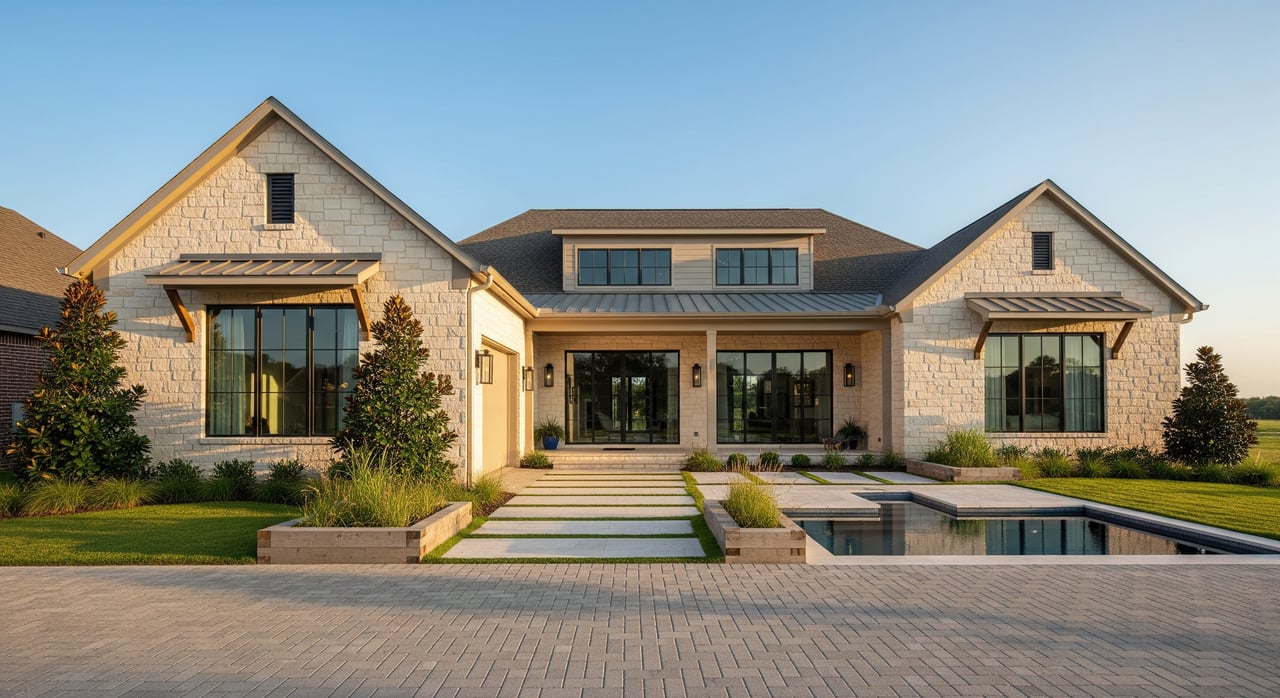
Eyeing a brand-new home in Pearland but not sure where to start? You are not alone. New construction comes with its own playbook: builder contracts, design-center deadlines, inspections, and local steps like permits and flood considerations. In this guide, you will learn the timeline, what to check in contracts, when to schedule inspections, how SH 288 impacts your decision, and how to budget for design choices without surprises. Let’s dive in.
New-build timeline: From contract to keys
Typical build durations
Your timeline depends on the type of home and how far along construction is when you sign.
- Spec or inventory home: often 60 to 180 days from contract to closing if the house is mostly complete.
- Semi-custom production home: typically 4 to 9 months after you finalize selections.
- Fully custom build: commonly 9 to 18 months or more, depending on permits and complexity.
Key milestones you will hit
- Contract signing and earnest money: you sign a builder purchase agreement and deposits are due; financing timelines start here.
- Pre-construction meeting: you align on plans, selection deadlines, and communication.
- Lot prep and foundation: excavation, grading, drainage, and slab pour.
- Framing and roof: major progress; many buyers schedule a walkthrough now.
- Rough-in and pre-drywall: plumbing, electrical, and HVAC go in; this is a prime time for a third-party inspection.
- Insulation and finishes: drywall, paint, cabinets, countertops, flooring, and trim.
- Final inspections and certificate of occupancy: required approvals before closing.
- Final walkthrough and punch list: you document items to be addressed.
- Closing and move-in: deed transfers and keys.
Pearland timing factors
Permit and inspection schedules can shift with city workload and subdivision volume. Heavy rain and Gulf storms can delay foundation, framing, and exterior work. If your build crosses the wetter months, ask your builder how they buffer for weather in the schedule.
Permits, inspections, and closing steps
City inspections and CO
The City of Pearland conducts code inspections at key stages and issues the certificate of occupancy before move-in. For current processes and contacts, use the city’s official resources for Permits and Inspections. These inspections verify code compliance; they are not a substitute for a full home inspection focused on quality.
Third-party inspections to schedule
- Pre-drywall inspection: this is the most valuable inspection because it catches framing, plumbing, electrical, and HVAC issues before walls close.
- Final inspection and orientation: confirms systems function, roof and exterior integrity, and finish quality before you sign closing papers.
- Optional foundation or engineering review: consider on lots with heavy fill or known soil concerns.
Ask your builder to confirm in writing that independent inspectors are allowed on-site at agreed stages.
Builder contracts in Texas: What to read closely
Price, options, and change orders
Your contract should spell out what is included and what is not: base plan, lot premium, standard features, and options. Clarify how upgrades are priced and how change orders work. Ask for written pricing and an approval process before agreeing to any change; late changes often come with schedule impacts and fees.
Deadlines, deposits, and contingencies
- Completion date: understand the builder’s target and definition of “substantial completion.” Many contracts limit remedies for delays, so know your options.
- Earnest money and refunds: confirm what happens if financing falls through or if timelines slip.
- Financing and loan approval: note the mortgage approval deadline and any automatic termination rights.
- Inspection rights: verify your right to bring third-party inspectors at pre-drywall and final stages.
Warranties, HOA rules, and assessments
Your warranty should explain coverage terms, claim steps, and response windows. Review HOA covenants and fees, plus any special assessments. In Greater Houston, many new communities use MUDs; ask for clear tax projections that reflect these obligations.
Disputes and agency disclosure
Many builder contracts include arbitration clauses and limit jury trials, so weigh those tradeoffs. In Texas, you should also receive agency disclosures that clarify who represents whom. To understand forms and notices, visit the Texas Real Estate Commission’s contracts and forms page and consider having a licensed agent or attorney review your agreement.
Warranties and what to watch in Houston-area builds
Typical warranty structure
- 1-year workmanship and materials: covers most items related to workmanship.
- 2-year systems coverage: often applies to plumbing, electrical, and HVAC; details vary by builder.
- 10-year structural coverage: for major structural defects, often through a third-party program.
Confirm when your warranty clock starts. It is commonly at closing or the certificate of occupancy date.
Common issues in the region
- Drainage and grading: pooling water or downspouts that discharge near the slab.
- Foundation cracks: especially with clay-heavy soils or improper compaction.
- HVAC balancing and ductwork: uneven airflow or comfort issues.
- Water intrusion: window flashings, roof penetrations, and exterior transitions need careful sealing.
- Finish items: grout, caulk, paint, trim, or tile layout concerns.
What to do: schedule the pre-drywall inspection, keep a written punch list at orientation, get timelines for repairs, and save all warranty communications.
Design center decisions without the regrets
Deadlines and lead times
Builders set early selection deadlines, often within the first 2 to 8 weeks. Popular items such as appliances, custom cabinets, and quartz slabs can carry long lead times. Missing deadlines can trigger default selections or rush fees; late changes can delay your closing.
Budgeting and allowances
Allowances are placeholder amounts for finishes you will choose later. If your selections exceed that allowance, you pay the difference. Ask how each allowance is calculated, like per linear foot for cabinets versus a lump sum. Many buyers invest several thousand to tens of thousands in options; plan for that in your total budget.
Design center prep checklist
- Prioritize structural choices first; they are costly to change later compared to finishes.
- Request sample boards and view large samples in natural light.
- Confirm appliance brands and models; note which are standard and which are upgrades.
- Document exact product model numbers, colors, and slab numbers for stone.
- Ask about transitions: thresholds, undermount sinks, backsplash heights, and cabinet crown details.
- Clarify who fixes finish punch-list items and the expected timeline.
Change orders: cost and schedule impact
Expect a formal change-order form that lists the price and schedule effects. Fees can include rework, expedited shipping, engineering, or new permits. Sign only after you see the full cost and timeline implication in writing.
SH 288 corridor and Pearland context
Commute and development
State Highway 288 connects Pearland to major Houston employment centers, which has fueled new subdivisions and commercial growth. Road work and expansions can adjust traffic patterns over time. For current project updates in the area, check the TxDOT Houston District projects page and look for SH 288 information.
Floodplain, insurance, and taxes
Pearland sits on coastal plain soils where drainage and grading matter. Before you select a lot, review your flood zone using the FEMA Flood Map Service Center. Insurance costs can vary by flood risk and windstorm exposure; review guidance from the Texas Department of Insurance and the Texas Windstorm Insurance Association if your property is in a wind-prone area. For tax planning, confirm projected assessments and MUD obligations with the Brazoria County Appraisal District.
Where your agent adds value on a new build
A knowledgeable buyer’s agent can help you protect your interests while keeping the process on track.
- Contract review and negotiation: spot one-sided clauses, negotiate timelines, and confirm inclusions.
- Local builder insight: understand lot premiums, incentives, and warranty responsiveness in Pearland.
- Inspection and punch-list support: coordinate third-party inspections and advocate for timely repairs.
- Lender and title logistics: compare builder incentives against outside financing options.
- Closing accuracy: make sure credits, allowances, and repairs are reflected in your final documents.
Engage your agent before visiting model homes so they can register and represent you from the first conversation.
Your next steps
- Get pre-approved and set a total project budget that includes upgrades and closing costs.
- Talk to your agent before you tour model homes.
- Confirm your flood zone on FEMA maps and request an insurance quote early.
- Review current Pearland permit and inspection steps on the city site; align with your builder’s schedule.
- Check projected taxes and any MUD assessments with BCAD.
- Plan for a pre-drywall and final third-party inspection.
- Prepare your design center selections and confirm allowances in writing.
Ready to move from research to results? Reach out to The Living In Houston Texas Team to plan your Pearland new-build strategy, compare communities along SH 288, and protect your budget from contract to keys.
FAQs
Should I hire a third-party inspector for a new build in Pearland?
- Yes; city inspections focus on code, while an independent inspector can catch quality and installation issues at pre-drywall and final stages.
How long does new construction usually take in Pearland?
- Spec homes can close in 60 to 180 days, semi-custom builds often take 4 to 9 months, and fully custom homes commonly run 9 to 18 months or more.
What contract clauses deserve the closest look in Texas?
- Pay attention to completion dates, earnest money and refund terms, financing contingencies, inspection rights, warranty coverage, dispute resolution, and any MUD or HOA obligations.
What new-build costs surprise buyers most in Brazoria County?
- Upgrades beyond allowances, lot premiums, MUD-driven tax obligations, landscaping or irrigation charges, and living costs if completion is delayed.
What does a typical new-home warranty cover?
- Many builders follow a 1-year workmanship warranty, 2-year systems coverage, and a 10-year structural warranty; confirm exact terms and start date in your contract.
How can an agent help with design center choices?
- Your agent can set realistic upgrade budgets, confirm allowances, document selections, and push for clear change-order pricing and timelines before you sign.